
Electrical compliance · Helderberg
What Is an Electrical Certificate of Compliance (COC), and When Do You Need One?
An electrical Certificate of Compliance (COC) confirms that the electrical installation in a property complies with applicable South African safety requirements at the time of inspection and testing. In the Helderberg you'll most often need one when you sell a property, but there are a few other situations too. Here's a straight-talking guide.
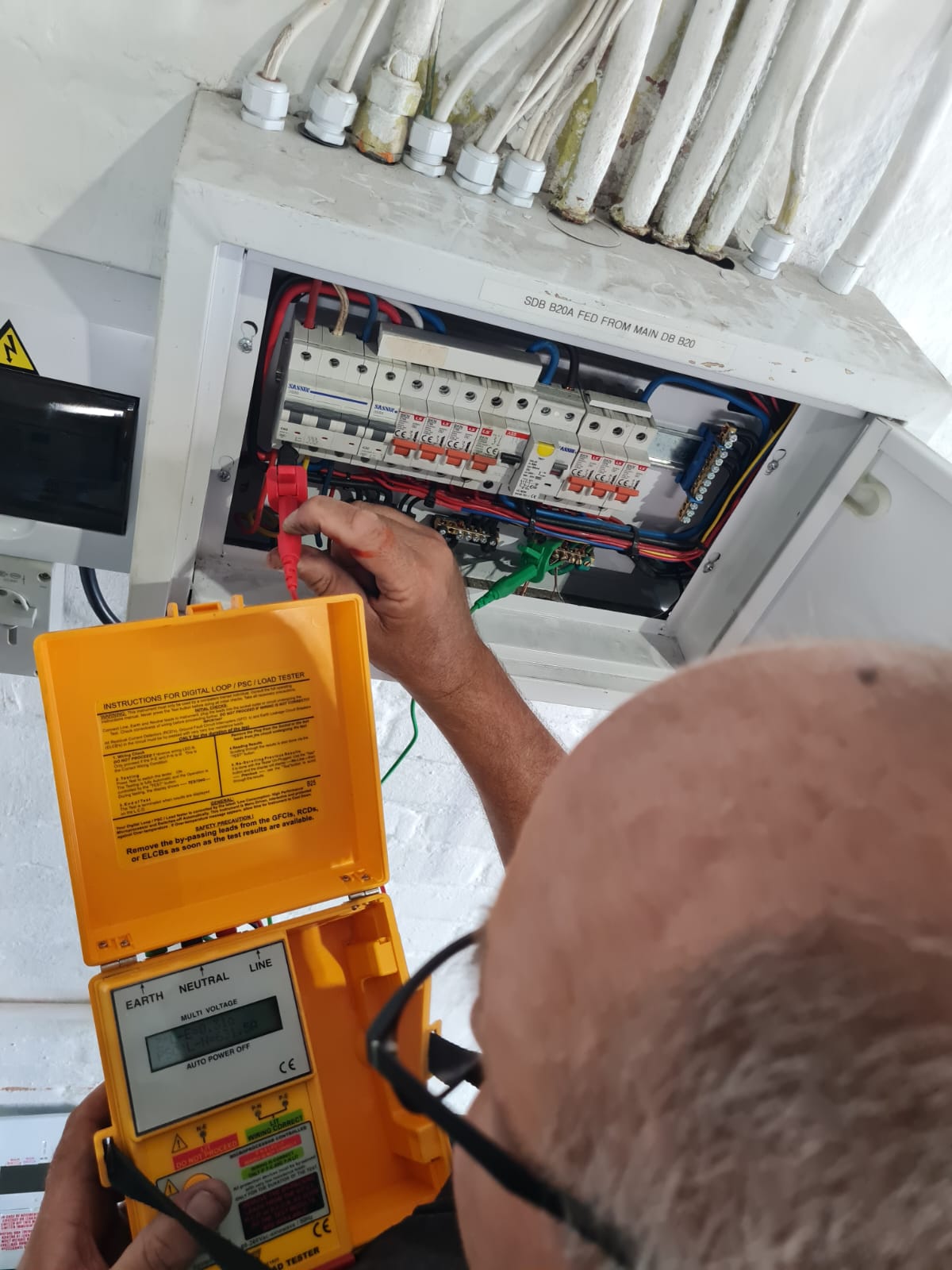
What is a COC, exactly?
A COC is issued after a registered person inspects and tests the fixed electrical installation of a property — the wiring, distribution board (DB board), earthing, plug points and light circuits. If everything meets the applicable safety requirements, including SANS 10142-1, the certificate can be issued. It's your proof of compliance, and only a person registered to issue electrical COCs may issue one.
When do you need a COC?
You need a valid Certificate of Compliance in situations including:
- You sell a property. A valid electrical COC is normally required for transfer. For a change of ownership, it must not be older than two years. Check the documents and requirements with your conveyancer before transfer.
- You rent out a property. A landlord should hold a valid COC for the electrical installation and keep the installation safe.
- You make additions or alterations to the installation — a new DB board, extra circuits, a new fixed geyser connection, an outbuilding, or solar. The added or altered work must be inspected, tested and covered by an appropriate certificate.
How long is a COC valid?
A COC does not automatically expire after two years. The two-year limit applies when a property changes ownership: the certificate used for transfer must not be older than two years. Outside a transfer, an older certificate may remain valid if the installation has not been altered.
New electrical work must be inspected, tested and appropriately certified; an existing certificate does not cover later additions or alterations. A COC also isn't a guarantee that an installation will stay safe forever. If you're selling, ask your conveyancer what is required and book an inspection early.
How does the inspection and the certificate work?
You pay for the electrical inspection. During it, a qualified electrical professional tests your installation against applicable requirements, including SANS 10142-1.
- If your installation complies, your Certificate of Compliance is issued free of charge.
- If it doesn't comply, we give you a clear quote for the corrective work needed. Once the installation has been brought into compliance and the necessary testing is complete, the COC is issued with no additional certificate fee.
You pay for the inspection, and any repairs are quoted separately for you to approve. Paying for the inspection does not guarantee a certificate.
What happens if the inspection finds a fault?
The certificate can't be issued until any defects affecting compliance are corrected and the installation passes the required testing. We explain the corrective work needed and quote separately — no repairs proceed without your approval. It's far better to find these faults during a planned inspection than to delay a sale at the last minute, so book early if you're selling.
Frequently asked questions
Do I need a new COC if I already have one from a few years ago?
Not simply because it is older than two years. For a property transfer, the certificate must not be older than two years. Any additions or alterations since the original certificate also need appropriate certification. Your conveyancer can confirm what is needed for your sale.
Who is allowed to issue a COC?
Only a person registered to issue electrical Certificates of Compliance. Being an electrician alone is not enough — confirm that the person is registered and authorised for the type of installation being certified.
Can I sell my house without a COC?
A valid electrical COC is normally required before transfer of ownership. Discuss the requirements and timing with your conveyancer rather than assuming an older certificate will be accepted.
Does my solar installation need a COC?
Yes. New solar or inverter work that forms part of the fixed electrical installation must be inspected, tested and covered by an appropriate electrical COC. Other municipal or grid-connection approvals may also apply.
This guide is general information, not legal advice. Confirm the requirements for your property and transfer with a registered electrical professional and your conveyancer.
Need an electrical inspection?
Contact Marius to discuss your property and arrange a suitable appointment.