Solar for your home · Helderberg
Is Solar Worth It in the Helderberg? A Straight-Talking Guide
For many Helderberg homeowners, solar can be worth it — but how worthwhile it is depends on what you want it to do, your electricity usage and your budget. Solar can reduce the electricity you buy from the grid, in exchange for an upfront investment or financed repayments. Here's how to think about it before you spend a cent.
Why so many Helderberg homes are going solar
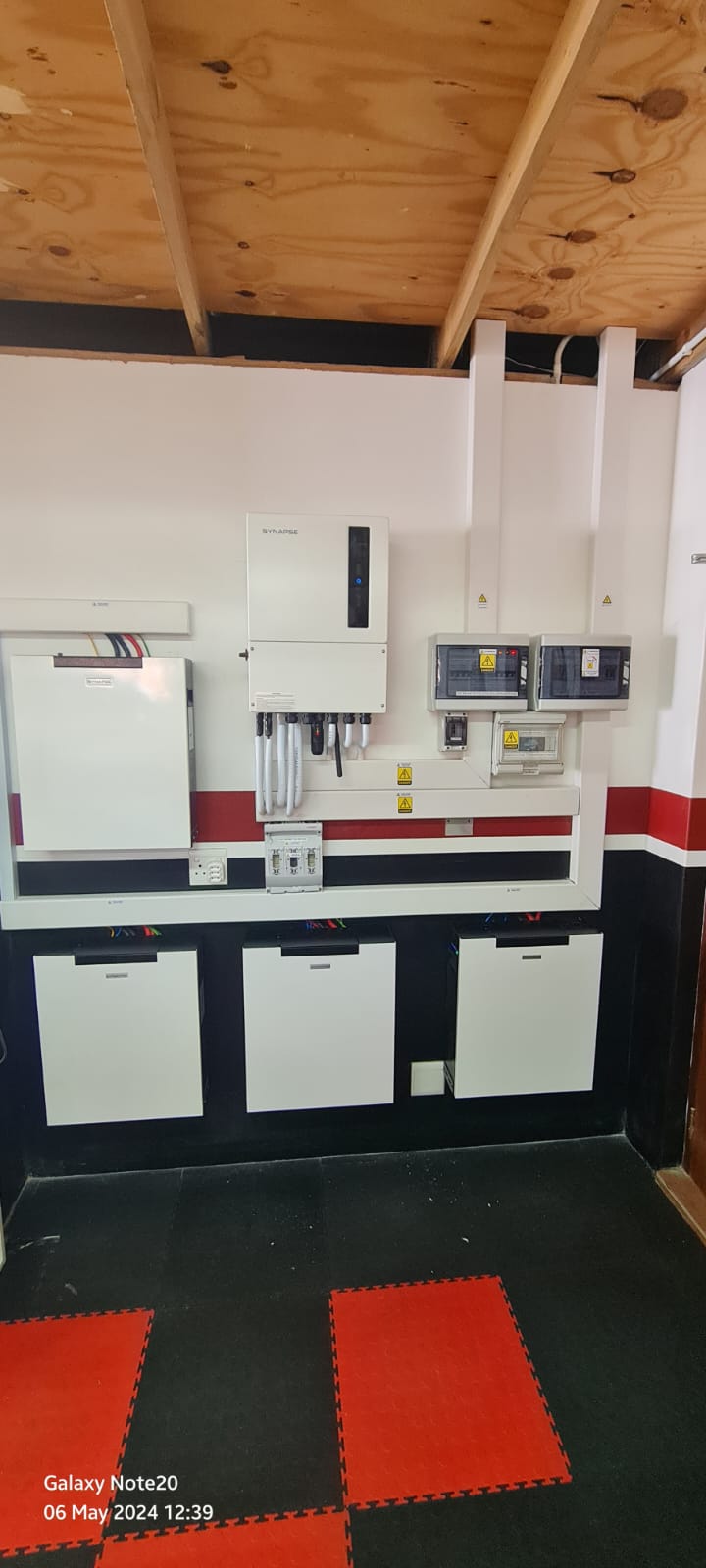
The main reasons are electricity costs and reliable backup. Solar lets you generate your own power during the day and buy less from the grid, so it can lower your bill. The Western Cape offers useful solar potential, although output varies with the season, weather and roof conditions. Add suitable battery storage and an installation designed for backup, and you can also keep selected essentials running during an outage.
The three levels of solar
Most people don't need the biggest system. It helps to think in three levels:
1. Backup power (inverter + battery). This can keep selected essential circuits running during an outage — lights, Wi-Fi, TV, fridge and charging — within the inverter's power limit and the battery's available capacity. Without panels, it mainly provides backup rather than solar generation, and charging losses may increase electricity use. It can be a lower-cost starting point.
2. Hybrid solar (panels + inverter + battery). This is a practical option for many homes. Solar panels can power your home during the day and charge the battery; stored energy can help with evening use and outages. Savings and backup duration depend on system sizing, weather, battery capacity and what you run.
3. Full / off-grid solar. A larger system can provide more independence, but running a whole home with little or no grid power needs careful design for winter, cloudy days and peak appliance loads. A true off-grid system is separate from the grid and may still need another backup source. It is generally a bigger investment, not a requirement for every home.
What affects the cost?
- Your electricity usage — how much you use and when you use it both affect sizing.
- How much backup you want — more battery storage costs more.
- Your roof — orientation, angle, shading, condition and available space.
- Big appliances — geysers, pool pumps and ovens change the sizing.
Because every home is different, a proper assessment is the best starting point for a suitable system and an accurate quotation. An online or phone estimate can help you plan, but the final design and price should follow a review of your usage and site conditions.
What about payback?
A well-designed system can recover its cost over time through electricity purchases avoided, but there is no guaranteed payback period. It depends on the installed price, actual generation, how much solar you use, tariffs, maintenance and any finance costs.
Higher future electricity tariffs can improve the savings compared with buying from the grid, but future increases are uncertain. Even after the original investment is recovered, electricity isn't completely free: grid charges, maintenance and eventual battery or equipment replacement may still apply. That's why an assessment of your home and usage is worth doing before you commit.
Don't forget SSEG registration
If you install a grid-connected solar system in the Helderberg, registration and approval requirements apply with your electricity supplier — often called SSEG (Small-Scale Embedded Generation). The process depends on whether your property is supplied by the municipality or Eskom, and a system that does not export power may still need approval.
We assist with SSEG registration where required and provide the electrical Certificate of Compliance once the installation passes the necessary inspection and testing. Approval requirements and timing should be confirmed for your property before installation; a COC does not replace supplier approval.
How to decide
Start by asking yourself: do I mainly want to cut my electricity bill, have backup when the grid goes down, or both? That answer points you to the right level. Then get a proper assessment of your home and usage so the system is sized correctly — an undersized system disappoints, and an oversized one can waste money.
Frequently asked questions
Will solar get rid of my electricity bill completely?
Usually not while you remain connected to the grid. A hybrid system can reduce electricity purchases, but fixed charges and grid use may remain. A true off-grid system avoids grid electricity purchases only if the connection is ended under your supplier's requirements, and still has maintenance and replacement costs.
Do you install solar geysers?
No — we install solar power systems (panels, inverters and batteries for electricity). For a solar geyser, speak to a suitable plumber or solar-water-heating installer.
Do I need permission to install solar?
Grid-connected systems need the applicable supplier registration and approval, and the electrical installation needs a Certificate of Compliance. We assist with the registration process and certification where required. Estate, body corporate or other property-specific approvals may also apply.
Is my roof suitable?
An assessment checks orientation, space, shading and roof condition. Many roofs can accommodate panels, but suitability and the best layout need to be confirmed for your home.
Find the right solar option for your home.
Tell us about your electricity use and backup needs. Marius will review your answers and help you take the next step.